Goniurosaurus orientalis skin problem

Nicolas

New member
Hello,

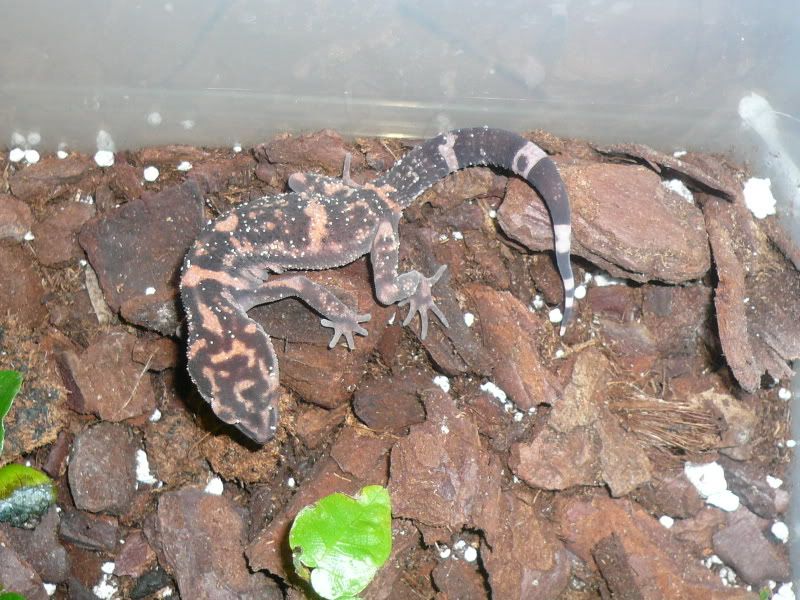
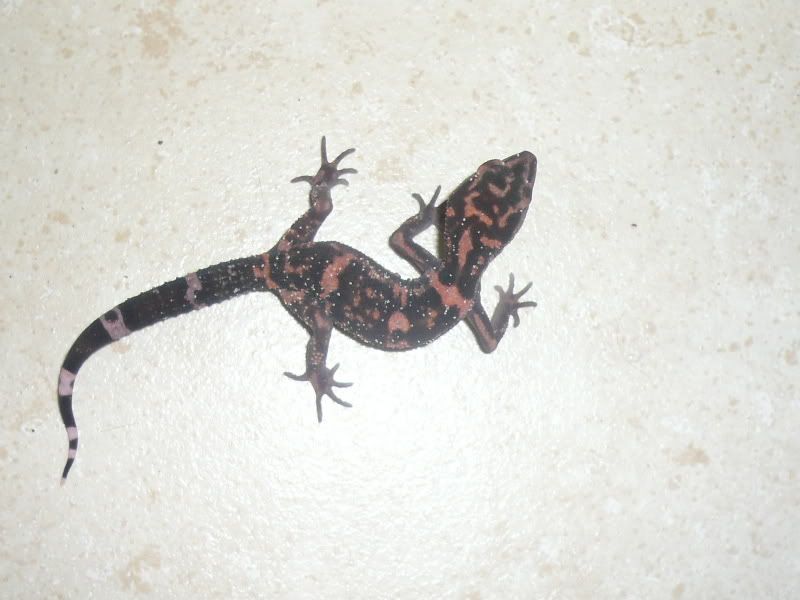
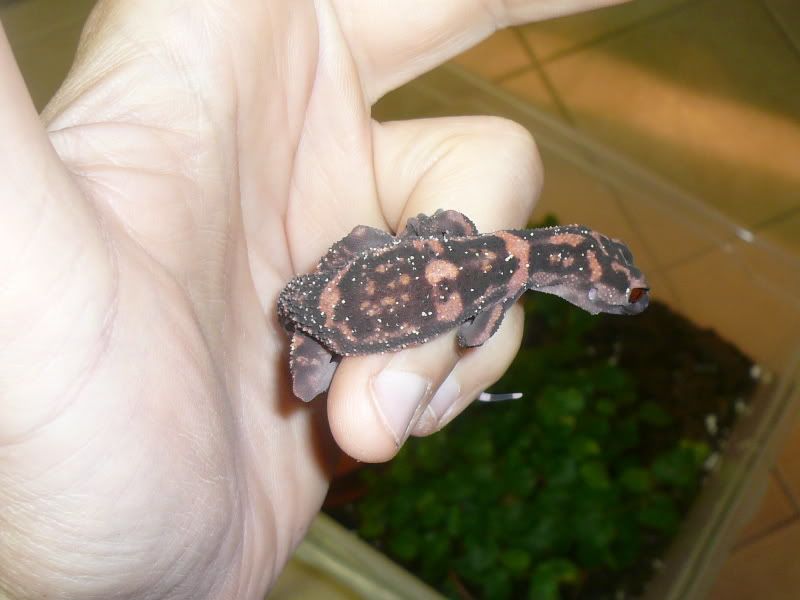
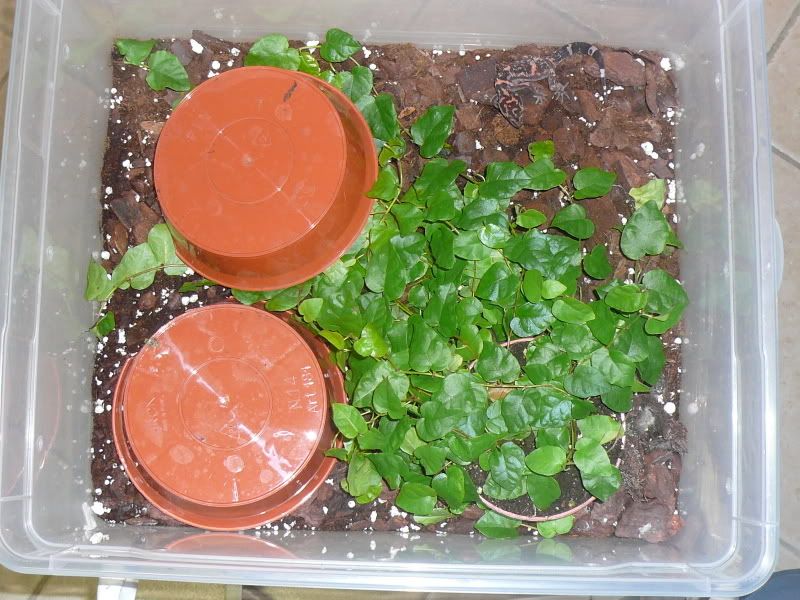
I have a skin problem with 2 orientalis females who are kept together. One has a lot of very little white points on all the body , if I rub those points they do not move from the skin. I use orchid bark substrate like in all my Goniurosaurus and Coleonyx cages without any trouble.

Those "white spots" do not move, geckos eat and copro are OK.
??????????????????????????????????????????????????????????????????????????
:confused::confused::confused::confused:
mycosis ?
ectoparasites ?

P1010200.jpg

P1010204.jpg

P1010202.jpg

P1010201.jpg
 

sune jensen

New member
I seriously doubt that there is such a thing as too high humidity for any japanese goniurosaurus. Dont know what the white spots are, but letting them dry out isnt a treatmeant I would recommend. Ever.
BTW I keep all goniurosarus onm a mix of sand and unfertilised potting plant soil. Never had any problems, so why waste money on orchid bark...just a tip ;-)

Sune
 

drakos

New member
I seriously doubt that there is such a thing as too high humidity for any japanese goniurosaurus. Dont know what the white spots are, but letting them dry out isnt a treatmeant I would recommend. Ever.
BTW I keep all goniurosarus onm a mix of sand and unfertilised potting plant soil. Never had any problems, so why waste money on orchid bark...just a tip ;-)

Sune

Forget I said anything. Shheeze. Did not know I would get belittled for trying to help.
I think I will stick to the more friendly forum that at least acknowledges an attempt to help and gently direct somone if they are off course. Rather than brag. Bye Bye.
 
Last edited:

sune jensen

New member
You may have searched an hour on the web...wow dude one whole hour..thats dropping knowledge. Screw real life experience, one hour of googling beats anything....
Maybe I should take the liberty of mentioning right here and now that I keep and breed all goniurosaurus species that are in the hobby in US & Europe, and have been working with the genus for around 7-8 years. For instance I published an article on the second generation of luii back in Juli/august 2002*.
I dont recommend paper towel for 2 reasons:
1: It does not work well for holding humidity. It will dry out in relatively short time. I always recommend a relatively thick substrate for goniurosaurus, like 5 cms. Because a thick substrate holds humidity well.
2: Japanese goniurosaurus stress out easily. And they tend to not fell safe when they are on a white sheet of paper. As if they somehow instinctly feel that they dont camouflage well on such a background. They like to be in a moist dark-ish invorinment where they can cuddle in betwenn the substrate and their hides. They just arent paper towel shoe box geckos...

-Sune


*Jensen, Sune Qvotrup 'Hold og opdræt af fastlandsvarianten af Goniurosaurus luii, kinesisk leopardgekko, i terrarium i to generationer'
Nordisk Herpetologisk Forening
Vol 45. no 4. 2002
 
Last edited:

tanala

New member
i had this some time ago with (newly purchased) leopard geckos..same white spots over the body..after the next shed, it dissapeared..but honestly i have no idea what this was. Maybe caused by stress. Or old skin?

Sebastian
 

Jon McMahon

New member
These are mites(as far as i know). It is tough to treat this species when they have such a high amount of them(at least I've found). I would try not to stress them if possible and work towards captive breeding. Of course keep them separated from any cb's or others that are not infected.

These little white fellas are common on WC Japanese Goni's. Don't worry too much and keep them fed well and as you would if they had no mites;-)

Be very careful letting this species dry out as they will die very quickly:cry:

My 2 cents,

Jon
 

Brian

New member
Things like skin infections from being to moist almost always occur on the bottom part of the body in my experience.

I'd check and see if those flakes are indeed mites or just skin flakes.

Paper towel isn't great for these since it sucks up humidity. In one case where I had one with skin lesions on the bottom which caused substrate problems it was better to keep it without substrate while it healed then with paper towels. It was not a Japanese one however.

I use soil by the way as I have seen them get some substate in the mouth when over eager for food. Those white pieces in the bark and smaller pieces of bark might be dangerous if ingested.

The Japanese ones seem much more high wired and fragile.
 
I'm new round these parts so hello everyone, and I don't mean to contradict what anyone else has said, but thought I'd share my experiences. I have bred leopard geckos and G. hainanensis for a few years now (and cresties more recently) and have noticed similar spots on any geckos I have kept in pairs/groups, particularly youngsters. I have come to the conclusion that they are either bite or claw marks, as they disappear with sheds if the geckos are seperated. I have not witnessed any of these marks with geckos that are kept singly.

Some of the reasons I've come to this conclusion are: when kept in breeding pairs or trios the females seem to get these dots more noticeably round their necks - ie where the male hangs on for breeding, and in some groups of females one individual (possibly a dominant one) will have fewer of these marks than the sub-dominant ones. In my experience it has been rare that any of these marks have resulted in open wounds, which is why I believe it could be due to geckos walking over each other, other light nips as a dominance statement.

These are just my observations. If you have your geckos together I would try seperating them until the next shed, and see if the dots shed out. If they stay, it is probable that my theory is not correct in your case, and I would have a vet look at your wee ones just incase, but from those photos this is what it looks like to me.
 

Tariq Stark

New member
*Jensen, Sune Qvotrup 'Hold og opdræt af fastlandsvarianten af Goniurosaurus luii, kinesisk leopardgekko, i terrarium i to generationer'
Nordisk Herpetologisk Forening
Vol 45. no 4. 2002

Sune,

Do you have a English version of your paper? Sounds very interesting to say the least. I also write and publish quite a lot of papers here in the Netherlands (I''m trying to translate them to English, but man, that takes a lot of time). If you have a translation I would very much like to read it :) .

kind regards,

Tariq
 
Top