
gekkocorner
New member
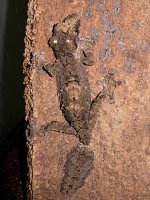
Here are some of my adult pietschmany. I love the spots on the female and one of the males.
These guys have been with me for a while now and have gained a lot of weight since they came in. As a side note every single imported corkbark that I've received and screened for parsites is infested with Pinworms. I've treated them all with fenbendazole and they do great after treatment.
Pinworms deprivate their host of nutrients, cause growth disturbances, reduced fertility and even cause death. With Pinworms having a direct life cycle infected animals just keep infesting themselves in their terrrariums.
Anybody else here treating their Corks? I believe that treated corks do Way better than ones who are not. I hear a lot of people loosing imports all of a sudden for no apparent reason or developing other problems ( probably due to their high parasitic loads )
Anyways here are the pics I took tonight.
These guys have been with me for a while now and have gained a lot of weight since they came in. As a side note every single imported corkbark that I've received and screened for parsites is infested with Pinworms. I've treated them all with fenbendazole and they do great after treatment.
Pinworms deprivate their host of nutrients, cause growth disturbances, reduced fertility and even cause death. With Pinworms having a direct life cycle infected animals just keep infesting themselves in their terrrariums.
Anybody else here treating their Corks? I believe that treated corks do Way better than ones who are not. I hear a lot of people loosing imports all of a sudden for no apparent reason or developing other problems ( probably due to their high parasitic loads )
Anyways here are the pics I took tonight.